
A car accident has the power to affect nearly every part of your life in a matter of seconds. One unexpected collision can leave you facing medical appointments, missed workdays, expensive vehicle repairs, and constant calls from insurance companies.
Even a relatively minor accident may create financial stress that lasts for weeks or months. When injuries are serious, the physical and emotional impact can become overwhelming.
During this difficult time, many people ask the same question: Can you get money from a car accident? Often, the answer is yes. If another driver’s negligence caused the crash, you may be entitled to get compensation for your injuries and financial losses.
But claiming compensation isn’t quite as easy as people think. Insurance companies are going to try to limit their payouts, deny your injury claim, or blame you, the victim. Knowing your rights and the claims process can make a big difference in the outcome of your case.
This guide explains how car accident compensation works, what damages may be available, and what steps you should take to protect your claim after a collision.
Can You Get Money From a Car Accident?
Yes, you can get money from a car accident if you suffered losses because of another driver’s negligence. Compensation is intended to help accident victims recover financially, physically, and emotionally after a crash.
A settlement or court award may cover expenses and damages related to:
- Medicine treatment
- Loss of earnings
- Auto repairs
- Suffering and pain.
- Tortured emotionally
- Rehabilitation in the long term
- Loss of earning capacity
How much money you could recover will depend on parameters such as severity of your injuries, the evidence available, the limits of insurance policies and who was at fault for the accident.
Even if you believe your accident was minor, it is important not to assume you are not entitled to compensation. Some injuries take time to appear, and financial losses can continue long after the crash itself.
Common Causes of Car Accidents
Determining the cause of a car accident is one of the most important parts of any injury claim. Liability is usually based on negligence, meaning someone failed to act responsibly while driving.
Some of the most common causes of car accidents include:
Distracted Driving
Distracted driving is a key cause of accidents across the United States. Drivers who text, use GPS devices, eat, or talk on the phone while driving may fail to notice traffic changes or hazards.
Even a few seconds of distraction can result in a serious collision.
Speeding Issues
Excessive speed can reduce your retention time and may increase the force of impact during an accident. Speeding drivers often struggle to stop quickly enough to avoid crashes.
High-speed accidents also tend to cause more severe injuries.
Drunk or Impaired Driving
Alcohol and drugs impair coordination, judgment, and reaction time. Drivers under the influence place everyone on the road at risk.
Victims injured by drunk drivers may sometimes recover punitive damages in addition to standard compensation.
Reckless Driving
Aggressive behaviors such as tailgating, running red lights, weaving through traffic, or road rage can easily cause accidents.
Reckless driving demonstrates a disregard for the safety of others and may strengthen an injury claim.
Weather Conditions
Rain, snow, fog, and ice contribute to thousands of accidents every year. While poor weather itself is not negligence, drivers are still expected to operate vehicles safely under dangerous conditions.
Failing to slow down during bad weather can make a driver liable for an accident.
Fatigued Driving
Drowsy driving affects concentration and reaction time similarly to alcohol impairment. Fatigued drivers may drift between lanes or fail to notice traffic signals.
Long-distance truck drivers and overnight workers are especially at risk.
Types of Compensation Available After a Car Accident
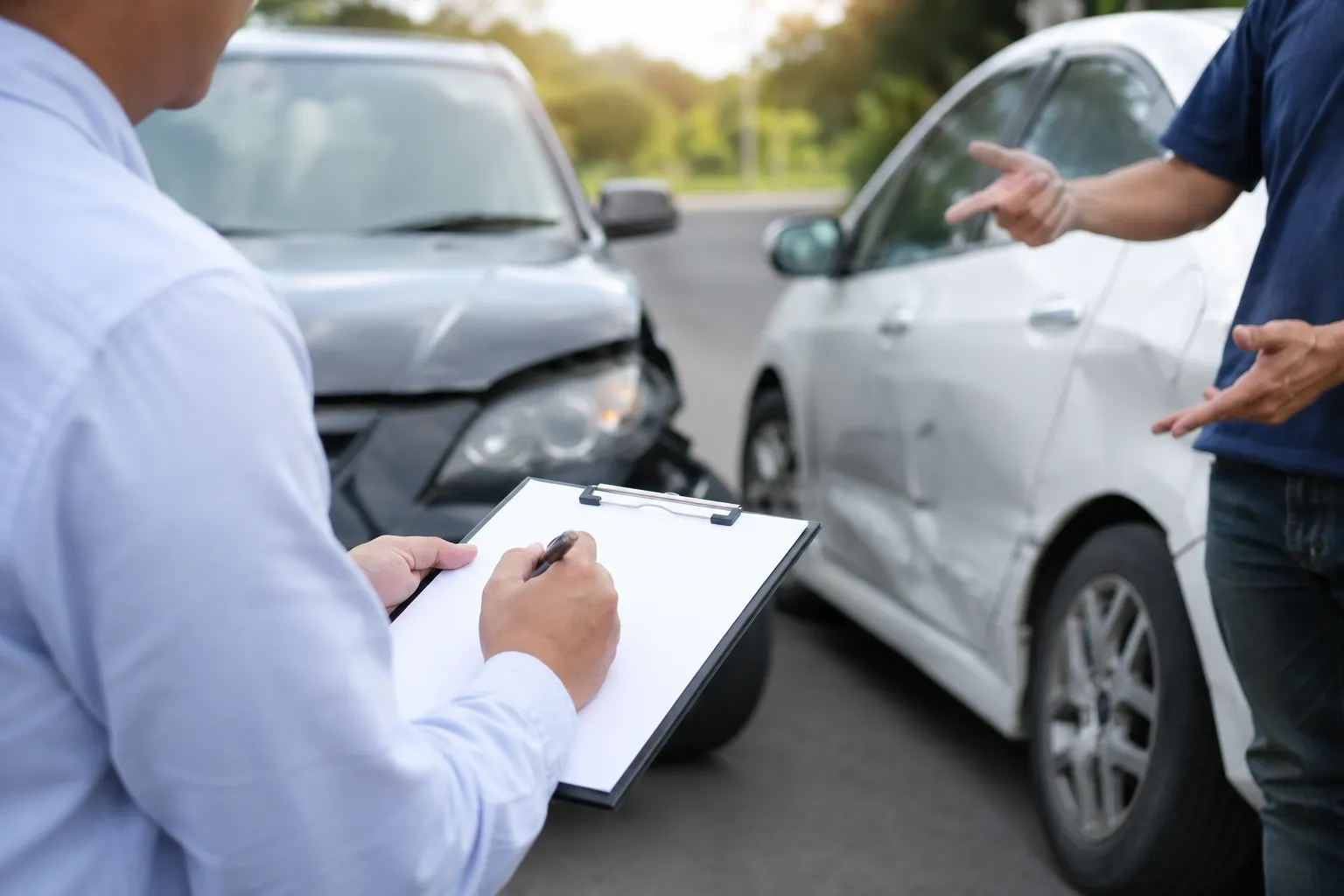
If you are asking, “Can you get money from a car accident?” it is important to understand the different categories of damages that may be available.
Medical Expenses
After a car accident, medical bills are frequently among the most expensive costs. The settlement will pay for medical expenses related to the accident, both current and in the future.
Here are a few examples:
- Emergency department visits
- Transportation by ambulance
- Operations
- Physiotherapy;
- Chiropractic Treatment
- Medications by prescription
- Follow-up visits
- – Rehabilitation services
Severe injuries may require ongoing treatment that may significantly increase the value of your claim.
Lost Income
Accident victims sometimes are unable to resume work immediately after an injury. Compensation for lost income may cover:
- Unpaid wages
- Reduced working hours
- Loss of bonuses and/or commissions
- Future earning potential
- Income loss due to disability.
For self-employed individuals, proving lost income may require additional documentation such as tax records or invoices.
Property Damage
Car accident claims often include compensation for damage to personal property.
This may include:
- Vehicle repair costs
- Total vehicle replacement
- Rental car expenses
- Damaged electronics
- Personal belongings inside the car
- Towing and storage fees
If your car is declared a total loss, compensation is typically based on its market value before the accident.
Suffering and Pain
Not all car accident damages are financial. Pain and suffering compensation addresses the emotional and physical impact of an accident.
Examples include:
- Chronic pain
- Emotional distress
- Anxiety
- Depression
- PTSD
- Loss of enjoyment of life
Pain and suffering damages can sometimes exceed medical expenses in severe injury cases.
Permanent Disability or Disfigurement
Some car accidents leave victims with lifelong injuries or permanent physical limitations. Compensation may account for:
- Loss of mobility
- Permanent scarring
- Loss of independence
- Need for future assistance
- Lifestyle changes caused by disability
These damages are especially important in catastrophic injury cases.
Wrongful Death Compensation
If you have lost a loved one in a car accident, the surviving family members may be able to file a wrongful death claim.
Compensation may comprise:
- Costs of a funeral
- Pre-death medical bills
- Loss of financial aid
- Emotional suffering
- Loss of companionship
Wrongful death laws vary by state, but families often have the right to seek financial relief after a tragic loss.
How Fault Impacts a Car Accident Claim
Fault helps determine whether you can recover compensation after a crash. Most states follow one of two systems:
Comparative Negligence
Under comparative negligence laws, injured victims are still in the capacity to recover damages. For example,
- If your actual damages are worth $100,000
- And you’re 20% responsible
- You still have $80,000 to get back.
Local laws matter because states differ in how they apply comparative negligence rules.
Contributory Negligence
A few states follow contributory negligence laws, which are much stricter.
Under this system, even being slightly at fault may prevent you from recovering compensation entirely.
Because fault laws vary widely, speaking with an attorney can help clarify your legal options.
What Evidence Helps Support a Car Accident Claim?
Having strong evidence can increase your chances of getting a fair settlement.
Important evidence can include:
- Police report
- health records
- Photos from the accident scene
- Eyewitness reports.
- Traffic camera video
- Vehicle damage reporting
- Insurance Details
- Cell Phone Records and Distracted Driving
The sooner you collect evidence, the stronger your case may be.
What to Do Immediately After a Car Accident
The actions you take after a collision can directly affect your claim. As the best course of action you can follow these listed steps:
- Seek Medical Attention: Even if injuries may appear minor, you should always seek medical evaluation after an accident. Some injuries, such as internal bleeding, may not show symptoms immediately. Medical records also create important documentation connecting your injuries to the accident.
- Call the Police: A police report provides an official account of the accident and may help establish liability later. Always request a copy of the report for your records.
- Gather Evidence at the Scene: If possible, collect all types of evidence. The more evidence you preserve, the stronger your claim may be.
- Notify Your Insurance Carrier: Most insurance policies include a clause for reporting accidents within a reasonable time. But don’t make a recorded statement or admit guilt before you know your rights. Insurance adjusters may try to use your words against you later on.
- Don’t accept an early settlement: Insurance companies will try to get you to accept a low settlement soon after the accident. The early settlement offers may not fully compensate you for future medical care or long-term financial losses. Once you agree to a settlement, you usually cannot ask for more money.
How Insurance Companies Handle Car Accident Claims
Insurance companies help minimize costs. Even if the other driver was clearly at fault, insurers may attempt to reduce payouts by:
- Questioning injury severity
- Delaying investigations
- Blaming pre-existing conditions
- Arguing comparative fault
- Pressuring victims into early settlements
This is one reason many accident victims choose to work with attorneys during the claims process.
How Much Money Can You Get From a Car Accident?
There is no fixed settlement amount for car accidents because every case is unique.
Compensation depends on factors such as:
- Severity of injuries
- Length of recovery
- Permanent disability
- Medical expenses
- Lost wages
- Insurance policy limits
- Strength of evidence
Minor accidents may settle for less, but catastrophic injury cases can settle for hundreds of thousands or even millions of dollars.
How Long Do You Have to File a Car Accident Claim?
A statute of limitations file a personal injury lawsuit. Depending on the state, deadlines may range from one to several years after the accident. Missing any such deadline may prevent you from recovering compensation entirely. Acting quickly also helps preserve evidence and witness testimony.
Should You Hire a Car Accident Lawyer?
Not every accident requires legal representation, but hiring an experienced attorney is helpful in multiple ways:
You may want to speak with a lawyer if:
- You suffered serious injuries
- Liability is disputed
- Multiple parties were involved
- Insurance denied your claim
- You are facing long-term treatment
- The insurer offered a low settlement
Attorneys negotiate with insurance companies, gather all necessary evidence, and calculate the exact value of your damages. Many personal injury lawyers get contingency fees for their work.
What to Do After a Car Accident
Some mistakes can cost you your right to recover compensation. Don’t think to:
- Delay in medical care
- Social media and posting accident details
- Disregarding the doctor’s advice
- Failing to document expenses
Protecting your claim begins immediately after the accident. Get a free consultation from your attorney to know about what to do after an accident.
[cta_widget image=”https://www.galawfirm.com/wp-content/uploads/2017/05/expert_network_distinguished_lawyer.jpg” title=”FREE CONSULTATION” button_text=”(678) 800-1050″ button_url=”tel:+16788001050″]
Final Thoughts
So, can you get money from a car accident? In many cases, absolutely. If another driver’s negligence caused your injuries or financial losses, you may have the legal right to recover for uninvited medical expenses, lost income, property damage, pain and suffering, and more.
However, the claims process can quickly become complicated. Insurance companies reduce payouts or dispute liability, making it important to understand your rights from the beginning.
Taking the right steps after an accident, including seeking medical attention, preserving evidence, and consulting with an experienced attorney, can significantly improve your chances of recovering fair compensation.
Whatever the size or scope of your accident, understanding your legal options is a key step towards protecting your financial future and focusing on recovery. Get better legal advice from a car accident attorney.
FAQs
Can you get money from a car accident without injuries?
You may still recover compensation for vehicle repairs, property damage, towing expenses, and other financial losses even if you were not physically injured.
How long does a car accident settlement take?
Simple claims can be settled in a few months, but more complicated cases involving serious injuries or disputed liability can take much longer.
What if the other driver does not have insurance?
It doesn’t really matter if other drivers don’t have insurance claims. You can still get compensation if you have uninsured motorist coverage on your insurance policy.
Can I recover compensation if I was partially at fault?
Yes, you may recover compensation if you were partially at fault. Comparative negligence laws may still allow you to recover damages, although your compensation may be reduced.