
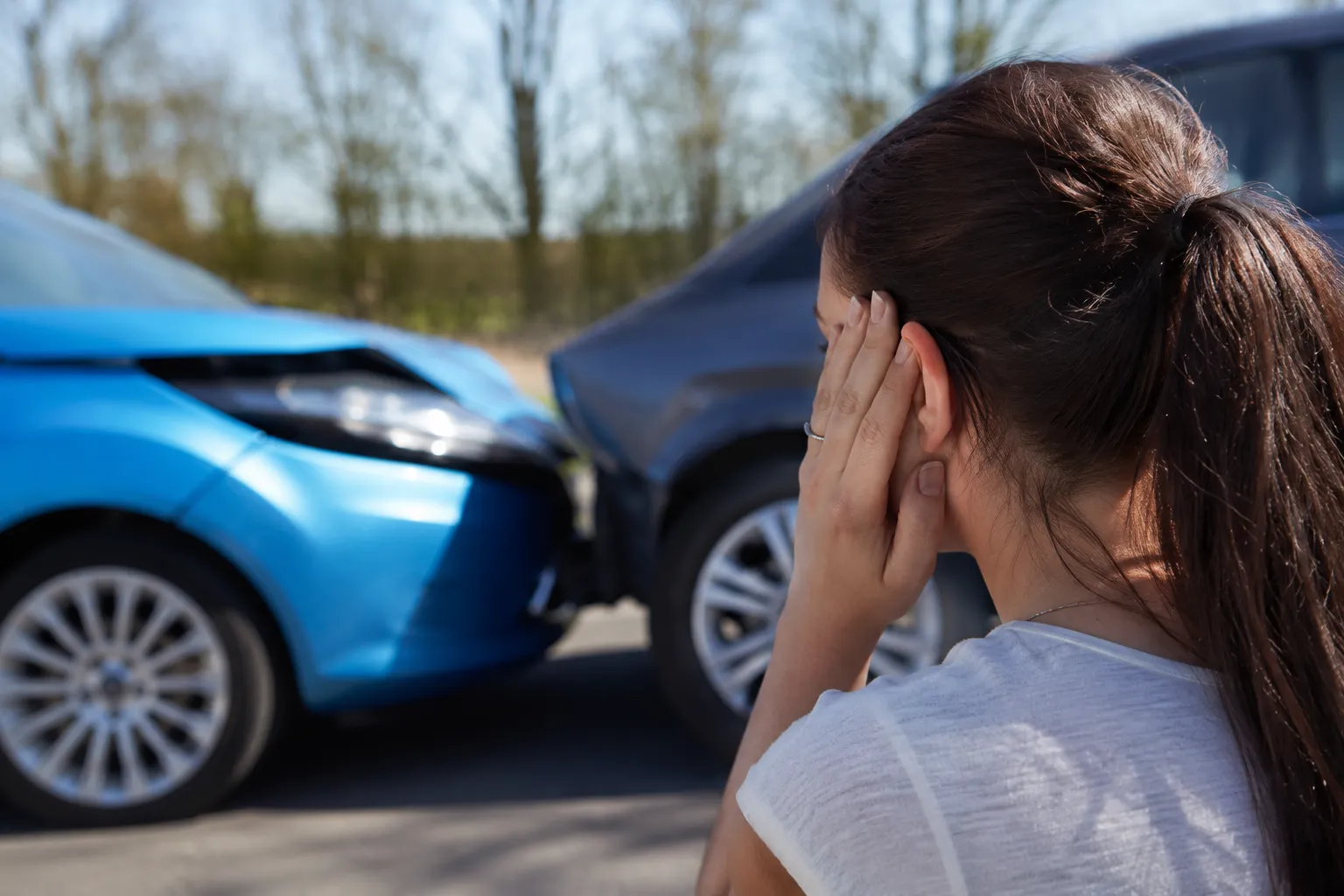
A car accident can leave you with more than just stress and frustrations. In addition to any injuries, you may be dealing with expensive auto repairs, damage to your personal property, and uncertainty about who is responsible for the costs.
Drivers often ask the question ‘Who pays for property damage in a car accident?’ after a crash.
The answer depends on several things, including who caused the accident, what type of insurance coverage is involved and what the laws are in your state. Learning how to file a property damage claim can help you recover your losses and avoid paying out of pocket for damage caused by someone else.
In this guide, we’ll explain who may be financially responsible for property damage after a car accident, how the insurance claims process works, and when it may be helpful to speak with an attorney.
Understanding Property Damage in a Car Accident
Property damage occurs when the accident causes physical damage to your stuff. Most people think of vehicle damage first, but property damage claims can cover a lot more, including:
- Damage to your car, truck, or motorcycle
- Personal items inside the vehicle, such as laptops, phones, or car seats
- Damage to fences, mailboxes, buildings, or other structures
- Commercial property affected by the crash
Property damage is treated separately from personal injury claims. You may file both after an accident, but each follows its own process and is governed by different rules.
Who Is Responsible for Paying Property Damage?
Determining who is responsible for paying for property damage in a car accident usually comes down to fault and state law. Here’s how responsibility typically breaks down.
At-Fault States
In most states, the at-fault driver is responsible for the damage caused. Their liability insurance will pay for the replacement or repair of the damaged property, up to the policy limits. If you were not at fault, you would file a claim with the other driver’s insurance company to cover your costs.
No-Fault States
Some states have no-fault insurance rules for personal injury claims. But no-fault laws typically cover medical bills, not property damage. Property damage claims are usually handled on a fault basis, even in no-fault states, so the at-fault driver’s insurer pays for the damage to your vehicle.
Shared Fault Situations
Sometimes, both drivers share responsibility for a crash. In states with comparative negligence laws, damages are reduced by the percentage of fault. For example, if you were found 20 percent responsible, you may recover 80 percent of your property damage costs.
How Insurance Covers Property Damage
Several types of insurance coverage may come into play after an accident. Knowing what each one does helps you understand who ultimately pays.
Liability Insurance
This is the coverage that pays for damage you do to someone else’s property. If another driver hits your car, their property damage liability coverage should pay for your repairs.
Collision Coverage
If you carry collision coverage, your insurer will pay to repair your car, no matter who was at fault. Later, the insurance company can seek reimbursement from the at-fault driver’s insurance through a process called subrogation.
Uninsured and Underinsured Motorist Property Damage
If the at-fault driver has no insurance or insufficient coverage, this optional coverage can help pay for your property damage. Not every state offers it, so check your policy.
Comprehensive Coverage
Full coverage is not just for collisions; it also provides coverage for theft, vandalism, fire, or weather. It’s important to know if the damage was caused by something other than the crash.
What Happens If the At-Fault Driver Is Uninsured?
Recovering property damage costs becomes more complicated when the responsible driver has no insurance. You still have options:
- File a claim under your own collision coverage if you have it
- Use uninsured motorist property damage coverage where available
- Pursue the at-fault driver directly in court for the cost of repairs
You can sue an uninsured driver, but if they don’t have any money, you may not be able to collect. A car accident lawyer will review your case and tell you the most realistic way to recover.
The Property Damage Claim Process
Here are the steps to file a property damage claim. Being aware of what to expect can help you avoid delays and protect your right to fair compensation.
- Shoot the Scene: Photograph all vehicles, property damage, and the surrounding area. Gather the required contact and insurance information.
- File a Report of the Accident: Tell your insurance company right away, even if it was not your fault. Many policies include timely reporting requirements.
- Obtain Repair Estimates: Get quotes from reputable repair shops so you know what the costs will be.
- File the Claim: Submit your claim to the appropriate insurer, whether that’s the at-fault driver’s company or your own.
- Negotiate the Settlement: Insurance adjusters may offer less than your damage is worth. You have the right to negotiate or dispute a low offer.
How Much Can You Recover for Property Damage?
The amount you can recover depends on the extent of the damage and your policy limits. Generally, you’re entitled to the cost of repairs. You may also be able to recover related costs such as rental car expenses while your vehicle is being repaired.
Property damage is just one part of a potential claim. Many accident victims also wonder about compensation for medical bills, lost wages, and other losses. If you’re thinking about this question, can you get money from a car accident beyond vehicle repairs? The answer is often yes, depending on your injuries and the circumstances of the crash.
When Your Vehicle Is Declared a Total Loss
If the cost of the repairs exceeds a certain percentage of the value of your vehicle, the insurer may write it off as a total loss. Then you will get a cheque for the actual cash value of the car before the accident, not the cost of the repairs. If you do not agree with the insurer’s valuation, you can cite examples of similar vehicles in an effort to obtain a higher figure.
When to Contact a Car Accident Lawyer
Property damage claims are often settled without a lawyer. But there are times you need to seek professional help, including:
- The insurance company refuses to pay your claim or offers much less than your damage is worth
- The fault is disputed between the drivers
- The at-fault driver is uninsured or underinsured
- Your claim involves both significant property damage and personal injuries
A good lawyer can negotiate, gather evidence, and protect your interests so you can focus on getting back on the road. If you have a complicated claim, call our firm to discuss your options.

Protecting Your Rights After an Accident
Knowing who has to pay for property damage in a car accident puts you in a better position to recover what you are owed. The first step is knowing what to do if the at-fault driver’s insurer pays your damages, your own collision coverage pays, or you have to go after other sources. When claims become complicated, expert legal support can make all the difference in the outcome.
Contact our firm to know more about accident claims!
Frequently Asked Questions
Who pays for property damage in a car accident if the other driver is at fault?
If the other driver is at fault, their liability insurance should cover your property damage, up to the policy limits. You would file a claim with their insurer to have your repair or replacement costs covered.
Does my insurance pay for property damage if I wasn’t at fault?
If you carry collision coverage, your own insurer can pay for repairs regardless of fault and then seek reimbursement from the at-fault driver’s insurer. This can speed up repairs while the claim is sorted out. For more knowledge, you can contact our firm.
How long do I have to file a property damage claim?
There are statutes of limitations that vary from state to state. It’s best to file your claim as soon as you can and check your state’s deadline. If you wait too long, your claim may be barred.